
Optimizing your aerodynamics while cycling


Track test with Quentin Barreau, Triathlon Store athlete
Optimizing your aerodynamics while cycling
When it comes to long-distance triathlon performance, every detail counts. At speeds exceeding 40 km/h, aerodynamics become one of the most powerful levers for saving energy. To go faster without pedaling harder.
WHAT QUENTIN TESTED WITH TRIATHLON STORE
-

 Up to 30% off
CASTELLI
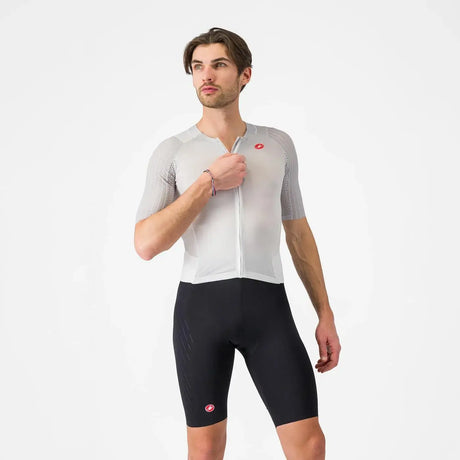
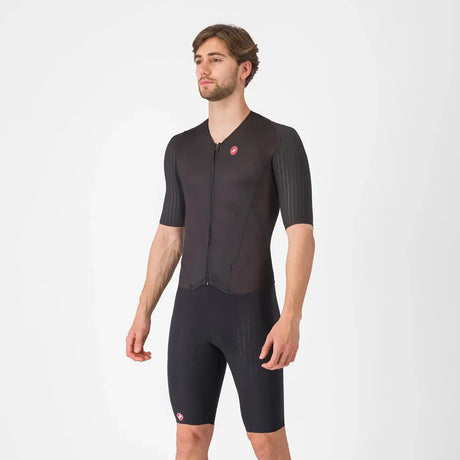
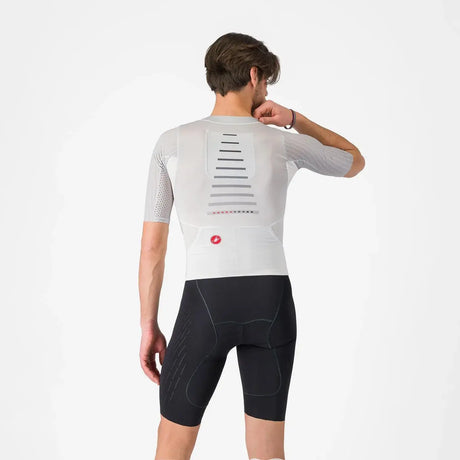
Castelli Free Sanremo 3 Triathlon Suit - Men
In stock (188 units)Sale price €175,00 EUR Regular price €250,00Unit priceUnavailable -


 Up to 29% off
KASK
Very low stock (2 units)Sale price €249,00 EUR Regular price €349,90Unit priceUnavailable -
 Up to 25% off
POC
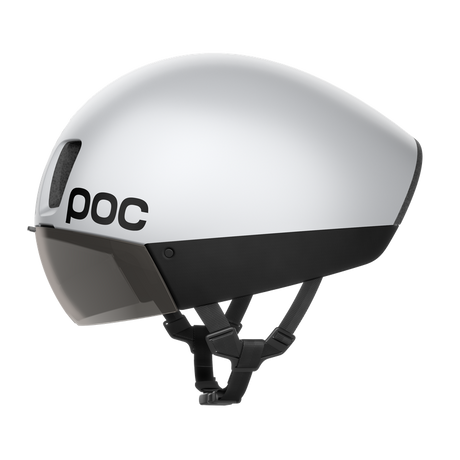
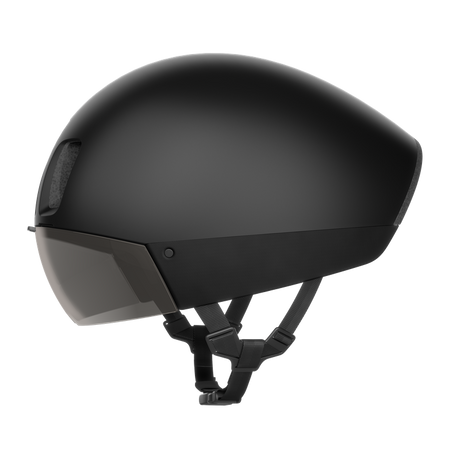
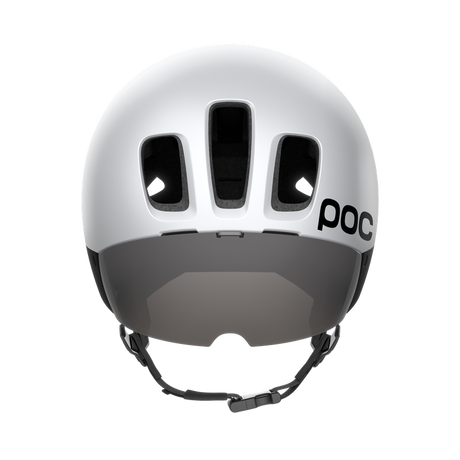
Poc Procen Aero Triathlon Helmet
Low stock (8 units)Sale price €300,00 EUR Regular price €399,00Unit priceUnavailable -
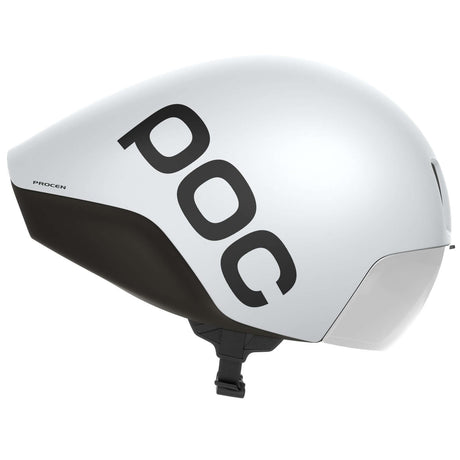
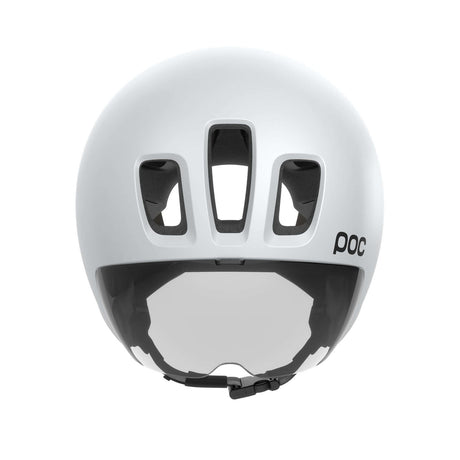
POC
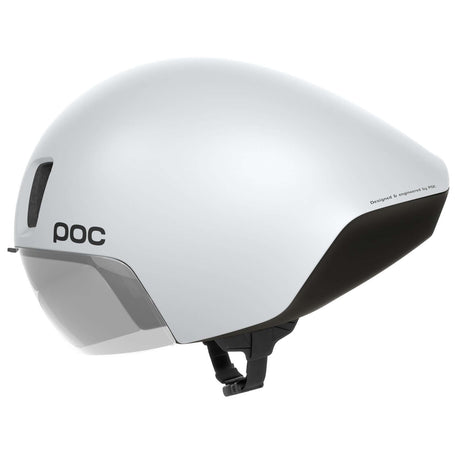
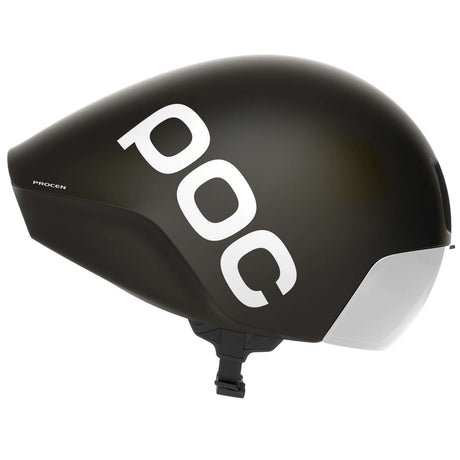
Procen Aero Triathlon Helmet | Poc
Low stock (5 units)Sale price €399,00 EUR Regular price €400,00Unit priceUnavailable -
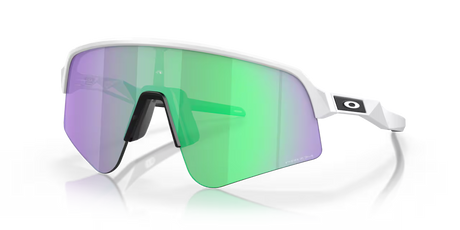
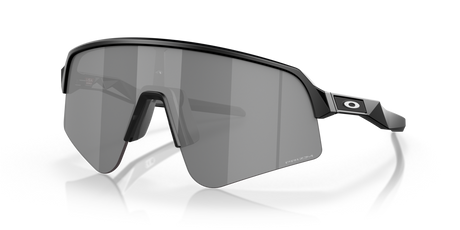
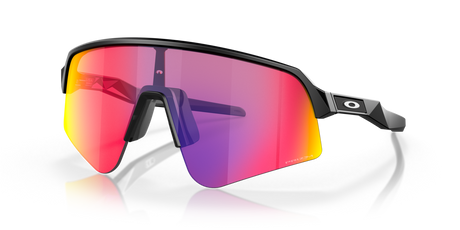
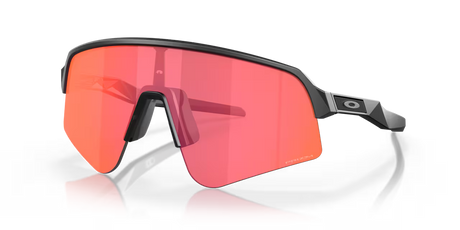
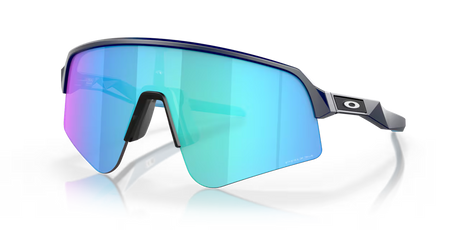
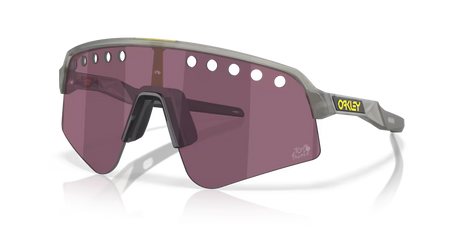
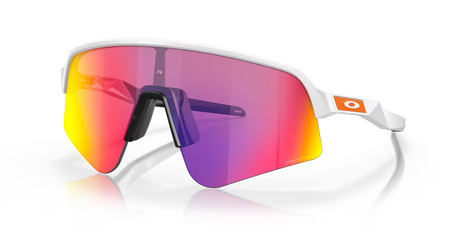
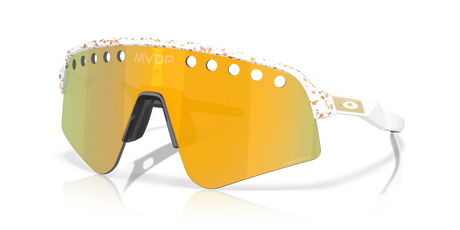
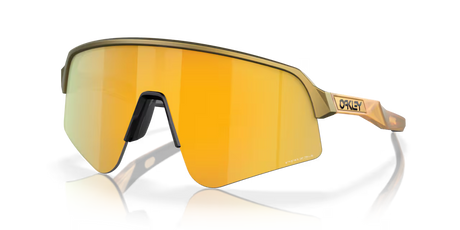
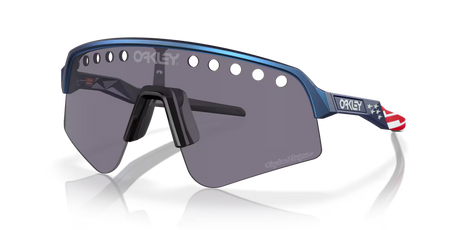 Up to 20% off
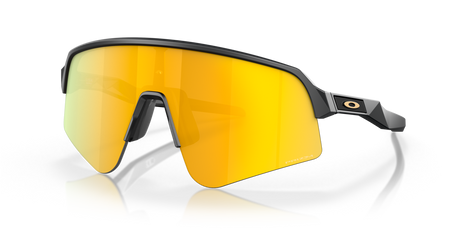
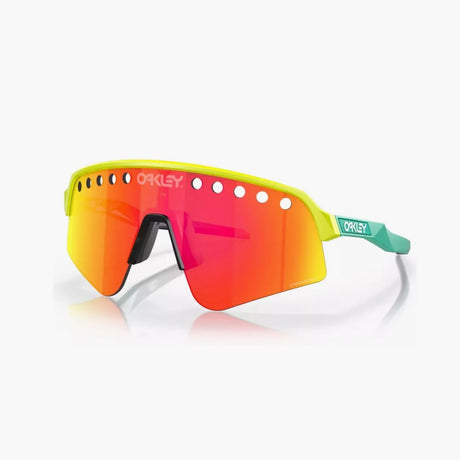
OAKLEY
+10In stock (15 units)Sale priceFrom €150,00 EUR Regular price €188,00Unit priceUnavailable -
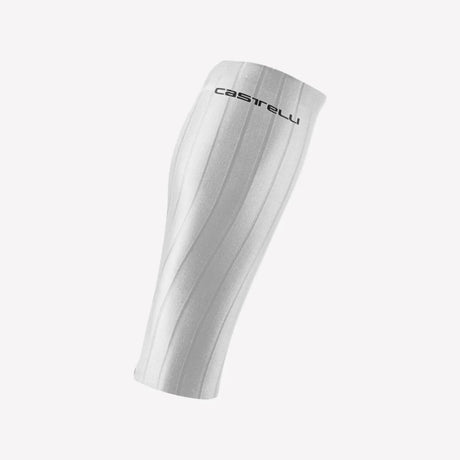
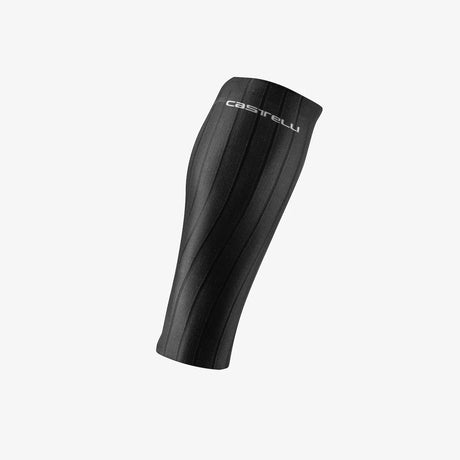
CASTELLI
Fast Legs Warmers - Unisex | Castelli
In stock (264 units)Regular price €39,95 EURUnit priceUnavailable -
PRECISION FUEL
In stock (1404 units)Regular priceFrom €6,00 EURUnit priceUnavailable


Why test aerodynamics?
When cycling, 80 to 90% of the resistance comes from the air. The faster you go, the more this resistance increases. Aerodynamics is therefore the art of reducing this drag to gain speed or save watts. Thanks to Aeroscale, it is possible to measure on the track – while riding – the CdA (aerodynamic drag coefficient), a key indicator. The lower it is, the more efficient the cyclist is.
Testing therefore allows you to validate, adjust, or rethink certain choices: position, accessories, bike configuration, etc.

Triathlon suits: Castelli San Remo 2, San Remo 3 and PR Speed Suit
The new Castelli San Remo 3 tri suit is undeniably superior: up to 9 watts gained compared to the previous version according to measured data. It proved to be almost equivalent to the PR Speed Suit in terms of performance, with a notable advantage in comfort.
It's one of the pieces of equipment where the gains are the clearest and most widely applicable in long-distance triathlons.

Helmets: Kask Bambino, POC Procen, POC Tempor, POC Procen Air
The helmet is a very personal item. One model may be very effective for one athlete... and the opposite for another. It all depends on morphology, head-back alignment, and posture during the race.
That's why Quentin compared several models, to validate the one that best fits his position.
All of these models are available at Triathlon Store.

Wheels: Black Inc (full carbon and spoked)
Several profiles were compared. The objective was to evaluate the consistency between the front wheel profile (spoke) and the rear wheel profile (solid), depending on the type of course.
The final configuration will also be adjusted with a switch to a single aero chainring and 140 mm discs to reduce additional drag.

Bottle cage position: on the frame, at the rear, between the arms
No significant difference was found between the different configurations tested, regardless of whether the 0.9L water bottle was placed at the front or rear.
Nevertheless, simply adding a water bottle to the setup slightly increases the CdA (aerodynamic drag coefficient) again (~4 watts). The final decision will therefore depend on the race profile and nutritional needs.

Glasses: test with and without visor
Quentin tested several configurations, including with his Oakley Sutro Lite glasses.
In his case, they performed very well, sometimes even better than an integrated visor, depending on the head position and airflow.
Once again: what works for one person won't necessarily work for another. Therefore, testing is crucial.


Questions fréquentes sur l'aérodynamisme à vélo en triathlon
Qu'est-ce que le CdA en cyclisme ?
Le CdA (coefficient de traînée aérodynamique) mesure la résistance d'un cycliste face à l'air. Plus il est bas, moins le cycliste subit de traînée et plus il est efficace. Il se mesure sur piste en conditions réelles grâce à des outils comme Aeroscale.
Combien de watts peut-on gagner en optimisant son aérodynamisme ?
Les gains varient selon les équipements et la position. Sur ce test, la trifonction Castelli San Remo 3 a permis de gagner jusqu'à 9 watts par rapport à la version précédente. La position du corps reste le levier le plus impactant.
Quelle trifonction est la plus aérodynamique pour un Ironman ?
Selon les tests réalisés avec Quentin Barreau, la Castelli San Remo 3 s'est révélée quasiment équivalente à la PR Speed Suit en termes de performance aérodynamique, avec un avantage supplémentaire en confort sur longue distance.
Le casque aéro fait-il vraiment une différence en triathlon ?
Oui, mais les gains sont très personnels — ils dépendent de la morphologie, de la posture et de l'alignement tête-dos. C'est pourquoi tester plusieurs modèles (Kask Bambino, POC Procen, POC Tempor) est indispensable avant de choisir.
Faut-il faire un test aérodynamique pour progresser en triathlon ?
Un test sur piste permet de valider ses choix de matériel dans des conditions réelles et d'éviter les erreurs coûteuses. C'est particulièrement utile pour les triathlètes longue distance où le vélo représente la majeure partie du temps de course.


